Governors Awards Honor Glenn Close, Ridley Scott, and Floyd Norman
Governors Awards Honor Glenn Close, Ridley Scott, and Floyd Norman
The 17th Governors Awards honored Glenn Close, Ridley Scott, and Floyd Norman with honorary Oscars, recognizing careers that have shaped cinema through acting, directing, and animation. The awards celebrated lasting contributions to motion pictures rather than a single performance, film, or awards-season campaign. Source 1
Coverage described the ceremony as a warm celebration of film history, emphasizing Close’s emotional response and the long-overdue nature of her recognition. Source 5
Together, the honorees represent different forms of cinematic authorship. Close’s contribution comes through character interpretation and sustained screen performance. Scott’s comes through direction, visual design, and large-scale storytelling. Norman’s recognition highlights animation and the creative work that gives animated cinema its movement, personality, and visual identity.
What Are the Governors Awards?
An honorary Oscar recognizes an artist’s broader contribution to motion pictures. Unlike a competitive Academy Award, which honors a specific achievement from an eligible awards period, an honorary Oscar celebrates a body of work, a career, or an influence that extends across many years.
The Governors Awards therefore serve a different purpose from the main Oscar ceremony. Competitive awards focus on individual films and performances, while the Governors Awards create space for careers that cannot be reduced to one title or awards season.
The honor may recognize sustained excellence, innovation, creative leadership, or contributions that changed how audiences and filmmakers understand cinema. It can also draw renewed attention to artists whose work did not fit neatly into annual award categories.
By honoring artists across different disciplines, the ceremony creates a fuller record of film history. Acting and directing receive much public attention, but cinema also depends on animation, design, writing, editing, production, technical development, and many collaborative processes.
Glenn Close Receives a Long-Overdue Honorary Oscar
A Career Defined by Range
Glenn Close is widely regarded as one of her generation’s most respected performers. Her career has been defined by emotionally demanding, complex, intimidating, vulnerable, and unconventional characters.
That range is central to the significance of her honorary Oscar. Close’s contribution does not rest on one role or one style of performance. Her work demonstrates how screen acting can combine control with emotional exposure, authority with vulnerability, and recognizable presence with transformation.
A career achievement honor suits an artist whose impact accumulates over time. Individual performances can be discussed separately, but the larger contribution becomes clear when audiences consider the consistency, discipline, and variety across a body of work.
Why the Recognition Was Called Long Overdue
Several reports characterized Close’s honorary Oscar as long overdue. Source 5 Source 9
The phrase reflects the view that her established reputation and sustained screen presence deserved formal acknowledgment. It does not mean that one particular performance should have won a specific award. Instead, it points to a broader question: how should an institution recognize a career whose value extends beyond awards statistics?
Close’s honorary Oscar recognizes the full arc of her work, including the emotional force, technical precision, and commitment she brought to roles across different periods and styles of filmmaking.
Close’s Reaction
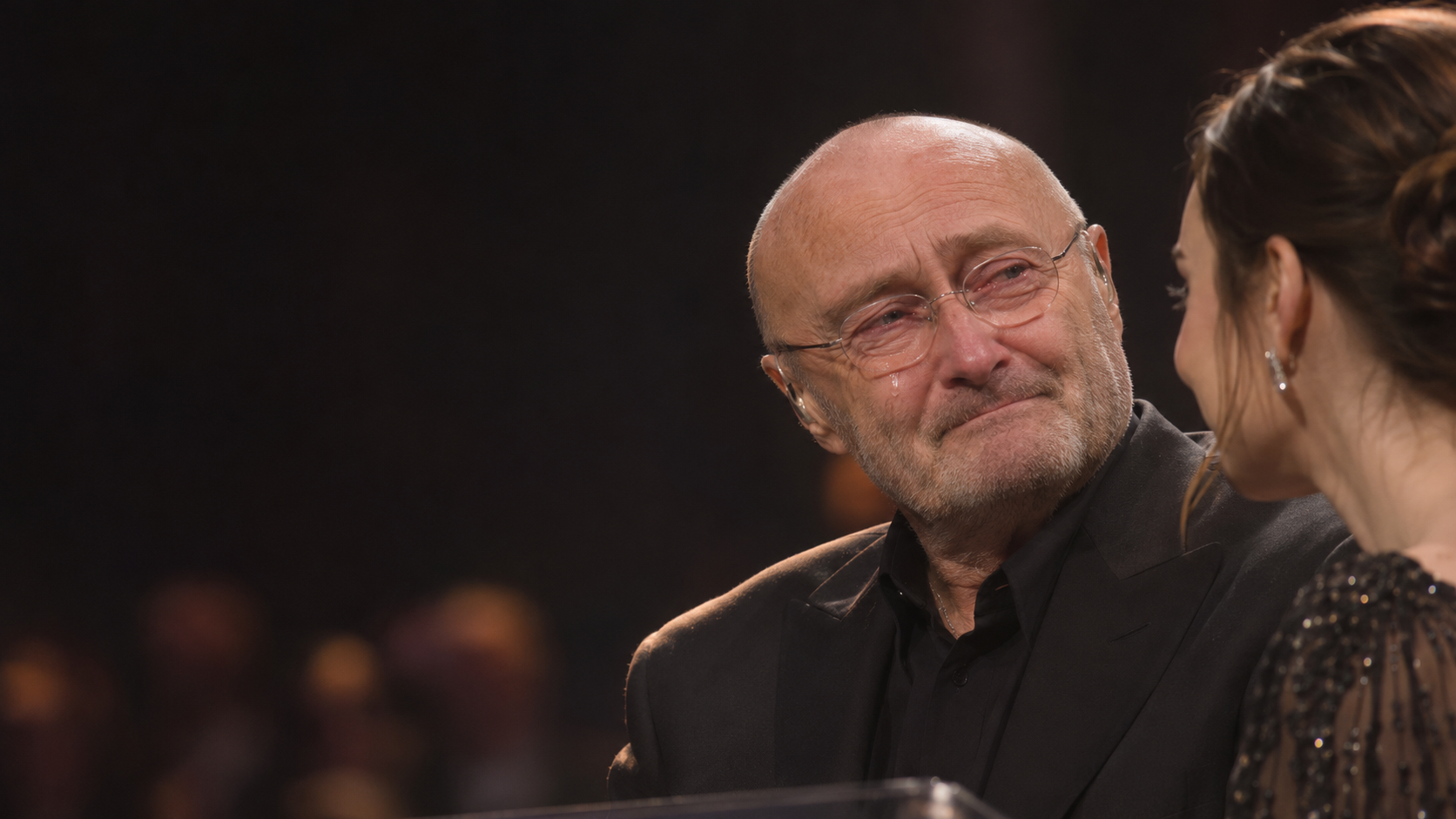
Close reportedly expressed amazement at receiving the honor and appeared visibly emotional during the ceremony. Source 3 Source 9
Her response added a personal dimension to an institutional honor. Career tributes may be carefully planned, but a recipient’s reaction can reveal the emotional weight of the moment. Even an established performer with decades of experience can feel surprise when colleagues and the industry gather to celebrate that legacy.
Close’s amazement also reflects the difference between working continuously and receiving a definitive career tribute. Artists often focus on the next role, production, or creative challenge. The Governors Awards invited her to pause and consider the broader meaning of her work.
Ridley Scott’s Contribution to Cinema
Ridley Scott was honored for his broader contribution as a director and filmmaker. Source 1
His reputation rests on ambitious visual storytelling, atmosphere, scale, and detailed world-building. A director’s influence is not limited to the images on screen. It also involves shaping tone, performances, production design, pacing, camera language, and the relationship between spectacle and story.
Scott’s career demonstrates how visual style can become a narrative tool. Environments can create tension, production design can establish social or historical context, and composition can communicate character relationships before dialogue explains them.
A long directing career also reveals how a filmmaker adapts visual authorship to different stories, settings, and production models. Large-scale filmmaking requires coordination among many departments. Direction connects those contributions while balancing visual ambition with character conflict, pacing, thematic purpose, and audience engagement.
Scott’s honorary Oscar recognizes cumulative creative leadership. Close is honored primarily for interpreting characters through performance, while Scott is honored for shaping complete films through direction and visual authorship.
Floyd Norman’s Historic Contribution to Animation
Floyd Norman’s recognition broadens the Governors Awards beyond the most visible areas of live-action filmmaking. As an animator and influential creative figure, Norman represents artists whose work shapes animated cinema through drawing, design, movement, visual development, and storytelling.
His honorary Oscar acknowledges animation as a central part of the film industry rather than a secondary category. Animation demands its own forms of performance and visual construction. Expressions, gestures, environments, timing, and emotional rhythm must be designed and developed before audiences experience them on screen.
Animated filmmaking combines storytelling, design, performance, music, technology, and visual development. Animators help establish how a character moves, reacts, communicates, and occupies space. Their work influences whether a fictional figure feels comic, dramatic, vulnerable, energetic, or real.
Norman’s honor draws attention to that contribution and to animation’s influence across generations. Animated films can introduce audiences to visual storytelling at an early age, become part of family culture, and influence filmmakers long after their original release.
Including an animation pioneer creates a more complete picture of cinematic achievement. Film history includes artists who appear on screen and those whose creative work takes place during development, design, production, and post-production.
Three Different Paths to a Shared Honor
The three honorees represent distinct layers of filmmaking:
- Glenn Close: performance, character interpretation, and emotional communication.
- Ridley Scott: directing, visual storytelling, and cinematic world-building.
- Floyd Norman: animation, design, movement, and creative development.
These disciplines interact but require different forms of authorship. Close gives audiences access to character through behavior, voice, timing, and emotional detail. Scott organizes visual and dramatic elements into a complete film. Norman represents the creative processes that give animated characters and worlds their form.
Together, the honorees create a broad portrait of cinema. Their careers show that film achievement cannot be defined by one profession or one production model.
Longevity is another common thread. Sustained careers allow artists to influence changing audiences, technologies, production methods, and creative expectations. Longevity alone does not determine artistic importance; its value comes from the work produced over time and the influence that work leaves behind.
Competitive awards cannot measure every form of achievement. Timing, campaigning, genre expectations, industry priorities, and crowded annual categories can affect which performances and films receive attention. The Governors Awards provide another form of recognition by celebrating careers that may not fit a single awards-season narrative.
The Atmosphere of the 17th Governors Awards
Coverage described the 17th Governors Awards as warm, heartfelt, and celebratory. Source 5
Career tributes create a different atmosphere from competitive awards ceremonies. There is less emphasis on suspense and more room for reflection, personal memories, professional admiration, and gratitude.
One report also connected the evening with a celebration of independent films. Source 9
Independent cinema contributes experimentation, new voices, unusual structures, and stories that may not receive the same resources as major studio productions. Its presence in the wider Governors Awards conversation reinforces the value of varied filmmaking traditions.
Why These Honors Matter
An honorary Oscar can encourage audiences to explore an artist’s earlier work. Close’s award offers an opportunity to revisit her performances. Scott’s recognition invites viewers to examine his approach to direction and visual storytelling. Norman’s honor encourages greater attention to animation’s creative history.
The ceremony can function as an entry point into filmographies that span decades. Audiences may discover how an artist’s methods developed, how recurring themes changed, and how earlier work influenced later cinema.
The awards also preserve cinema’s institutional memory. Styles, technologies, and industry practices change, but influential work can continue to shape audience expectations and inspire new creators. A performer can make characters unforgettable, a director can redefine cinematic scale or atmosphere, and an animator can give fictional worlds emotional and physical life.
Key Takeaways
- Glenn Close received an honorary Oscar for her extensive contribution to acting and cinema.
- Ridley Scott was honored for his work as a director and visual storyteller.
- Floyd Norman was recognized for his influence on animation.
- Close’s honor was widely described as long overdue.
- Reports characterized her reaction as amazed and emotional.
- The 17th Governors Awards celebrated career achievement, creative diversity, and lasting influence.
- The ceremony demonstrated how acting, directing, and animation contribute different forms of cinematic authorship.
- The supplied reports do not establish every ceremony detail, including the complete list of honorees, presenters, venue information, or the exact wording of speeches.
FAQ
Why did Glenn Close receive an honorary Oscar?
Glenn Close received an honorary Oscar to recognize her sustained contribution to cinema and her distinguished acting career. The award celebrates her body of work rather than one competitive Oscar performance. Source 1
What was Ridley Scott honored for?
Ridley Scott was honored for his broader contribution to filmmaking as a director. His recognition reflects the lasting influence of his visual storytelling, creative leadership, and career in cinema.
Who is Floyd Norman?
Floyd Norman is an influential animator and creative figure. His honorary Oscar recognizes his contribution to animation and the wider film industry, highlighting animation’s essential place in cinematic history.
Why was Glenn Close’s award called long overdue?
Reports described Close’s recognition as long overdue because of her established reputation, extensive career, and longstanding influence. The phrase refers to her overall contribution rather than one specific competitive award. Source 9
What are the Governors Awards?
The Governors Awards are an Academy presentation honoring significant contributions to motion pictures. The ceremony includes honorary Oscars and recognizes artists whose achievements extend beyond a single competitive awards season.
How are honorary Oscars different from competitive Oscars?
A competitive Oscar recognizes a specific achievement from an eligible awards period, such as an individual performance or film. An honorary Oscar recognizes an artist’s broader career, influence, or contribution to cinema.